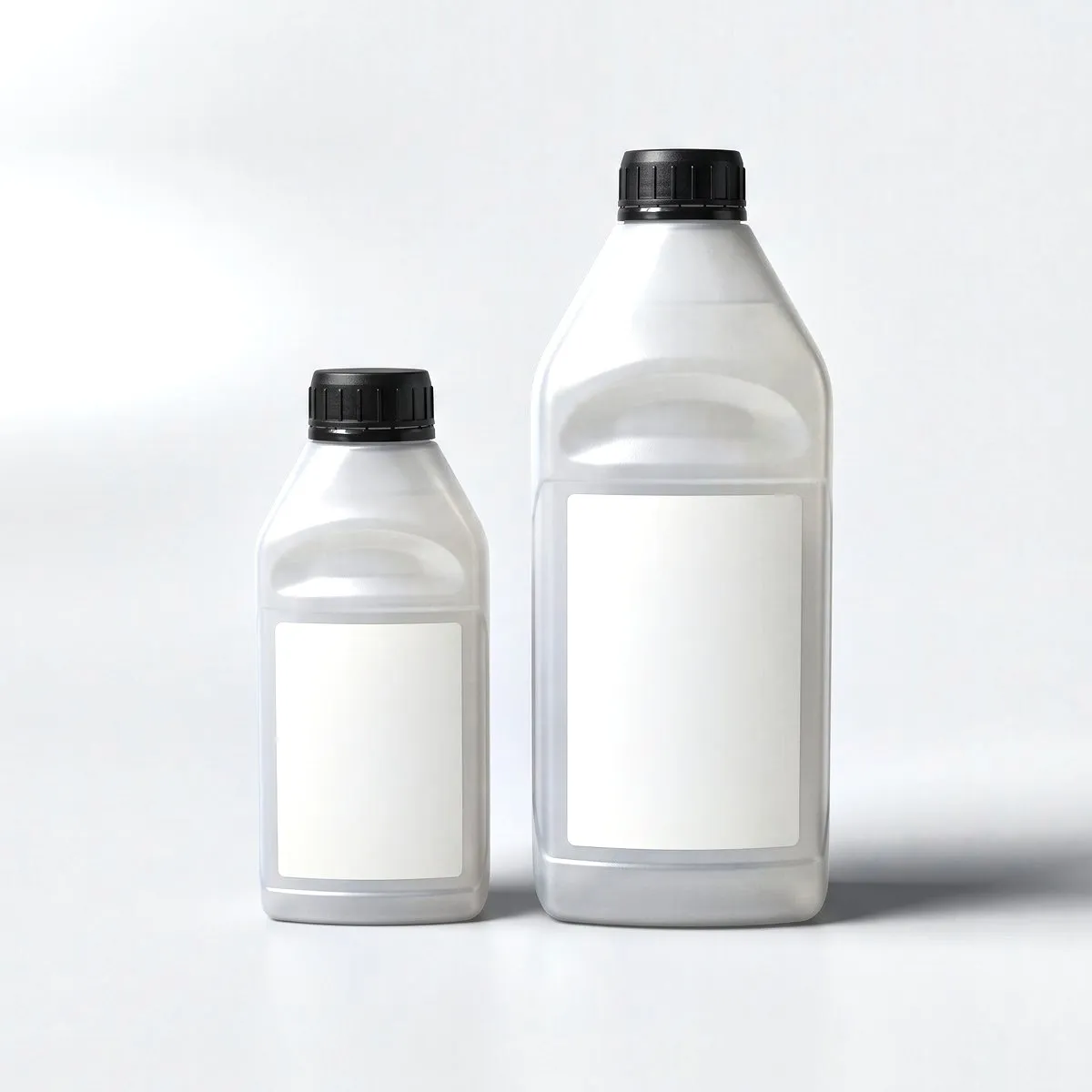
Oil is the one service item most owners can handle at home, and the one where the wrong choice costs the most. The handbook tells you the grade, the specification and the volume. Start there, not with a bottle that looks familiar.
Read the handbook first
Two numbers matter: the viscosity grade, such as 0W-20 or 5W-30, and the manufacturer specification printed in the service section. The grade describes how the oil flows when cold and when hot. The specification describes the tests it has passed. A bottle can carry the right grade and the wrong specification, so check both.
Petrol and diesel engines often ask for different oils, even in the same model range. The handbook will say which applies to your engine code.
Synthetic, semi-synthetic and mineral
A fully synthetic oil is built to hold its properties for longer and to cope with heat. A semi-synthetic blends mineral and synthetic base oils. Mineral oil is the simplest and the cheapest. Modern engines with turbochargers and tight tolerances usually ask for synthetic, and the handbook is the authority. If it names a specification, meet it.
Do not assume a thicker oil protects better. The oil pump and the bearings are designed around a grade, and a 10W-40 is not an upgrade for an engine that asks for 0W-20.
How much, and how often
The handbook gives the capacity with a filter change and often a separate figure for a fill without one. Buy the capacity plus a litre for topping up between services. Change the filter at the same time. A new filter is cheap next to the oil it protects.
Warm the engine, switch it off and let it stand for a few minutes before you drain. Hot oil burns, so wear gloves and eye protection and keep your face clear of the drain plug. Catch every drop in a clean container and take it to a recycling point. Never pour it down a drain.
Filling and checking
Chock the wheels, lift the car and lower it onto axle stands under the handbook points before you go underneath. Fit a new sump plug washer if the handbook or the plug calls for one, and torque the plug to the handbook figure. Fill about a litre less than the capacity, then check the dipstick. Add the rest a little at a time. Overfilling can damage seals and the catalytic converter, and it is harder to correct than a slight underfill.
Run the engine for a minute, switch off, wait, then check the level again on level ground. Look under the car for drips after the first drive.
Buying the right bottle
Check the fitment notes on the listing and compare the specification on the bottle with the handbook and with the oil you are replacing. A lookalike bottle with the wrong approval is not a bargain. If the handbook lists several acceptable grades, use the one that matches your climate and driving, and keep it consistent between changes.
Oil change check
- Find the grade, specification and capacity in the handbook.
- Order the oil and a matching filter.
- Warm the engine, then switch it off.
- Chock the wheels and raise the car safely.
- Place axle stands under the proper points.
- Drain the old oil into a clean container.
- Fit the new filter and the sump plug.
- Fill short of the capacity and check the dipstick.
- Run the engine and check for leaks.
- Recycle the old oil at a local recycling point.
The right oil, changed on time, keeps an engine clean and quiet. Keep the receipt and note the mileage, and the next owner will thank you.